
Disclosure: As an Amazon Associate I earn from qualifying purchases. Learn more
Choosing a tennis racket for a teenager is mostly about fit: a racket that is too short can limit reach, while one that is too heavy or awkward can make learning harder. The options below include several 25-inch junior rackets made for younger players and one 27-inch set marketed for ages 12 and up. For many teenagers, the full-length option is the more relevant starting point, but your teen’s height, strength, and playing experience matter too.
Quick Comparison
| Racket | Length | Best suited for | Standout feature |
|---|---|---|---|
| HEAD Speed 25 Junior Tennis Racquet | 25 inches | Younger players ages 8–10 | Lightweight aluminum frame and generous head size |
| Wilson Profile 25 Junior/Youth Recreational Tennis Racket | 25 inches | Recreational players ages 9–10 | AirLite Alloy construction and QuadriForm Technology |
| Wilson Ultra Power 25 Junior Recreational Tennis Racket | 25 inches | Recreational players ages 9–10 | AirLite Alloy frame and bumper guard |
| Wilson Intrigue Jr 25 Tennis Racket | 25 inches | Young players who fit a junior racket | Aluminum construction |
| Athletics Geek Tennis Rackets 2-Pack | 27 inches | Beginners ages 12 and up, including teens | Two rackets, a carry bag, grip tape, and tennis balls |
Our Picks: Best Kids Tennis Rackets for Teenagers reviews
HEAD Speed 25: A Forgiving Junior Racket for Younger Players
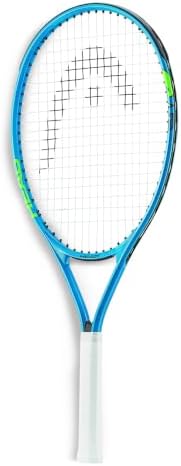
The HEAD Speed 25 is a pre-strung junior racket built for children learning the game. Its 25-inch length, 105-square-inch head, and aluminum frame are intended to make it easier for a young player to swing and find the ball. The listed weight is 240 grams, and the grip measures 3 7/8 inches.
HEAD recommends this model for ages 8–10 and players around 50–55 inches tall. That makes it a better fit for a younger child than for most teenagers. A smaller teen or a beginner who has been advised to use a junior-length racket may still consider it, but it is not the natural choice for a typical teen who is ready for a full-length frame.
The larger head can offer a more forgiving target for developing contact, while the lightweight aluminum build prioritizes manageable swings. The trade-off is that a growing or more experienced player may outgrow the length quickly. Compared with the 27-inch Athletics Geek set below, this HEAD racket is more clearly aimed at children rather than teens.
Pros:
- Pre-strung and ready for play
- Large 105-square-inch head for a forgiving hitting area
- Lightweight aluminum frame designed for easy swinging
- Specific age and height guidance helps with sizing
Cons:
- Its recommended age range is younger than most teenagers
- A player may outgrow the 25-inch length quickly
Verdict: Choose the HEAD Speed 25 for a younger, smaller player who fits its size guidance, not as a default racket for a typical teenager.
Wilson Profile 25: A Recreational Option for Smaller Juniors

The Wilson Profile is a pre-strung 25-inch racket recommended for ages 9–10. Its AirLite Alloy construction is described as a way to keep the frame lightweight while providing power and durability. QuadriForm Technology is intended to stabilize the swing, and a bumper guard helps protect the frame from contact.
Its colorful frame accents give it a distinctive look, but fit is more important than appearance. At 25 inches, it is a junior racket for a child who still needs a shorter frame. A teenager who is near adult height or is already playing regularly will likely want to compare it with full-length options instead.
Among the 25-inch choices here, the Profile offers a useful mix of features for casual junior play. The product information does not provide a racket weight or grip size, so those details are worth checking before buying if your player is sensitive to racket balance or hand fit.
Pros:
- Pre-strung for convenient setup
- AirLite Alloy frame is designed to balance lightness and durability
- QuadriForm Technology is intended to support a steadier swing
- Bumper guard helps shield the frame from damaging contact
Cons:
- Recommended for ages 9–10, not most teenagers
- Weight and grip size are not specified in the supplied product details
Verdict: The Wilson Profile 25 is worth considering for a smaller young player who still fits a junior racket, but check the fit carefully before choosing it for a teen.
Wilson Ultra Power 25: A Colorful Racket for Recreational Juniors

The Wilson Ultra Power is a 25-inch junior racket with a bright pink, white, and blue design. It comes pre-strung and is recommended for ages 9–10. Its AirLite Alloy frame is designed to combine a lightweight feel with power and durability, while the bumper guard helps protect the frame during play.
This model is aimed at recreational juniors who want a straightforward racket for learning and casual court time. The 25-inch frame may be manageable for a smaller player, but its stated age range makes it a less suitable fit for many teenagers. The product details do not list a weight, grip size, or head size, so compare those points with your player’s needs if you have specific fit concerns.
Compared with the Wilson Profile 25, the Ultra Power has similar stated age guidance and AirLite Alloy construction. Its most obvious distinction in the supplied details is the colorful styling. It does not include the extra items offered in the Athletics Geek set.
Pros:
- Pre-strung and ready to use
- AirLite Alloy construction is designed for lightweight power and durability
- Bumper guard helps protect the frame
- Bright design may appeal to players who want a colorful racket
Cons:
- Recommended for ages 9–10, so it may be too short for many teens
- Product details do not specify weight, grip size, or head size
Verdict: Pick the Wilson Ultra Power 25 for a younger recreational player who fits the junior size; teenagers should first check whether a 25-inch frame is appropriate for their height and game.
Wilson Intrigue Jr 25: A Simple Aluminum Junior Racket

The Wilson Intrigue Jr is a 25-inch junior racket with an aluminum frame. Its listed product information is brief, so there is less to compare than with the other junior models: details such as its recommended age, weight, grip size, and whether it comes pre-strung are not provided here.
That limited information makes this a choice to consider only after confirming the size and included setup details with the seller. A 25-inch frame is shorter than the 27-inch racket in this roundup, so it is more likely to suit a younger player or a teen who specifically needs a junior length. The blue-green color scheme gives it a different look from the other options.
Compared with the HEAD Speed and Wilson Profile, the Intrigue has fewer listed specifications to guide a fit decision. It may be a simple junior option, but shoppers who want clearly stated age guidance or more technical details may find the other product descriptions easier to assess.
Pros:
- 25-inch junior length
- Aluminum construction
- Blue-green color scheme
Cons:
- Age recommendation, weight, and grip size are not specified in the supplied details
- Pre-strung status and included accessories are not specified
Verdict: Consider the Wilson Intrigue Jr only if a 25-inch racket fits your player and you can confirm the missing specifications before purchasing.
Athletics Geek 27-Inch Set: The Most Teen-Focused Pick

This two-racket beginner set is the only option in this group that includes full-length 27-inch rackets and is specifically described for teens ages 12 and up as well as adults. The package includes two alloy rackets, a carry bag, grip tape, and two tennis balls. That makes it convenient for a new player who wants basic equipment for practice, lessons, or casual play.
The rackets are described as lightweight, with an alloy build intended to reduce vibration and support smooth swings. The set is positioned for learning fundamentals and recreational use rather than as a specialized choice for advanced competition. Having two rackets can also be useful when playing with a partner, though the product details do not specify the rackets’ individual weights, grip sizes, or head sizes.
Compared with the 25-inch junior rackets, the 27-inch length and age guidance make this the clearest match for many teenagers. Still, a teen’s height, strength, and comfort should guide the final choice. The two-racket bundle may be more equipment than a player needs if they only want one racket or already own accessories.
Pros:
- Includes two full-length 27-inch rackets
- Marketed for beginners ages 12 and up, including teens
- Comes with a carry bag, grip tape, and two tennis balls
- Designed for practice, lessons, and recreational play
Cons:
- Weight, grip size, and head size are not specified in the supplied details
- A two-racket set may be unnecessary if you only need one racket
Verdict: For a typical teen beginner, the Athletics Geek set is the strongest match in this roundup because it offers 27-inch rackets and is marketed for ages 12 and up.
How to Choose a Tennis Racket for a Teenager
Start with the racket length
Length is the clearest difference among these picks. Four rackets are 25 inches long and are described as junior models, with several specifically recommended for children around ages 8–10. The Athletics Geek set has 27-inch rackets and is marketed for ages 12 and up. A teen’s age alone does not determine fit, so consider height, reach, and whether the player can swing the racket comfortably. When in doubt, ask a tennis coach or knowledgeable shop staff to help check the fit.
Match the racket to the player’s experience
A beginner may benefit from a racket that feels manageable and is easy to control during practice. A recreational set can be practical for lessons and casual rallies, while a developing player who practices often may want to discuss racket choices with a coach. Do not choose a shorter junior racket only because it seems easier to handle; the player still needs a length that suits their body and stage of development.
Check weight and swing comfort
A racket should feel comfortable to lift and swing through repeated practice. The HEAD Speed lists a weight of 240 grams, while the other product details here do not provide exact weights. If possible, have the teen hold or swing the racket before buying. A comfortable swing matters more than a feature label, especially for a player learning consistent form.
Consider grip fit
A grip that feels too large or too small can make it harder to hold the racket comfortably. The HEAD Speed lists a 3 7/8-inch grip, but grip-size details are not included for the other options in this roundup. Check the listed specifications or ask the seller if grip fit is a concern. A coach can also help assess whether the handle suits the player’s hand.
Look at what comes in the package
Some players already have balls and a racket bag, while beginners may appreciate a bundle. The Athletics Geek set includes two rackets, a carry bag, grip tape, and two balls. The HEAD Speed, Wilson Profile, and Wilson Ultra Power are described as pre-strung. The supplied details do not confirm the same setup information for the Intrigue Jr, so check the listing before ordering.
Think about how the racket will be used
For casual play and beginner lessons, a simple recreational racket may be enough. A teen who is practicing more often or playing organized tennis should consider fit and playing needs with a coach before settling on a model. The junior rackets in this list are shorter than the 27-inch set, so be especially careful to match those models to a player who still needs a junior length.
Frequently Asked Questions
What size tennis racket should a teenager use?
It depends on the teen’s height, reach, strength, and experience. This roundup includes 25-inch junior rackets and 27-inch rackets marketed for ages 12 and up. Many teens may be better served by a full-length racket, but it is best to check fit rather than choosing by age alone.
Are 25-inch rackets suitable for teenagers?
They can suit a smaller teen or a player who has been advised to use a junior length, but the 25-inch models here are mainly described for younger children. Check the player’s height and comfort, and ask a coach if you are unsure.
Which option is most appropriate for a teen beginner?
The Athletics Geek set is the most directly teen-focused option in this group. It includes two 27-inch rackets and is marketed for ages 12 and up. Confirm that the racket feels comfortable for the individual player before choosing it.
Do these rackets come pre-strung?
The HEAD Speed, Wilson Profile, and Wilson Ultra Power are described as pre-strung. The supplied details for the Athletics Geek set and Wilson Intrigue Jr do not confirm whether they come pre-strung, so check the product listing before purchase.
Is a two-racket set useful for a teenager?
It can be handy if the teen wants to practice with a partner or keep a spare racket available. The Athletics Geek set also includes a carry bag, grip tape, and two tennis balls. If the player needs only one racket or already has accessories, a set may include more than necessary.
What should I check if racket specifications are missing?
Look for the racket’s length, weight, grip size, head size, and whether it is pre-strung. If those details are not listed, contact the seller or compare the racket in person. These points can help you judge whether the racket is comfortable and suitable for the player.
Final Recommendation
For most teenagers shopping among these options, the Athletics Geek 27-inch set is the most relevant starting point because it is marketed for ages 12 and up and includes a full-length racket. The 25-inch HEAD and Wilson models are better treated as junior choices for younger or smaller players who still fit that length. Check the teen’s comfort, grip, and swing before buying; the right fit matters more than age labels alone.