
Disclosure: As an Amazon Associate I earn from qualifying purchases. Learn more
Metatarsalgia causes pain around the ball of the foot, so the right tennis shoe needs to reduce pressure in the forefoot without feeling unstable during movement. A roomy toe box and cushioning may help, but a shoe designed for walking is not always built for quick side-to-side court play. The picks below include both court-focused shoes and supportive walking-style options, with clear notes about where each is most appropriate.
Foot pain can have different causes, and no shoe can guarantee relief. If your pain is persistent or getting worse, consider asking a podiatrist or other health professional for guidance before choosing footwear.
Quick Comparison
| Product | Best suited for | Key features | Important trade-off |
|---|---|---|---|
| OrthoComfoot Men’s Orthopedic X-Wide Tennis Shoes | Roomy everyday wear and walking | Wide toe box, arch-support insole, cushioned outsole | Fold-down heel is less suited to court play |
| ASICS Men’s Gel-Dedicate 8 Tennis Shoes | On-court movement and stability | GEL cushioning, TRUSSTIC technology, wrap-up outsole | Runs small; no wide-fit feature is listed |
| QAUPPE Men’s Wide Walking Sneakers | Walking with extra forefoot room | Wide toe box, arch-support insole, shock-absorbing midsole | Described mainly for walking and light activity |
| FitVille Extra Wide Pickleball and Tennis Shoes | Racquet sports with a wider fit | Roomy toe box, EVA cushioning, torsion-resistant outsole | Check fit and court compatibility for your needs |
| GyeBea Men’s Arch Support Walking Shoes | Walking and all-day support | Removable orthotic insoles, wide construction, cushioned midsole | Not presented as a dedicated court shoe |
Our Picks: Best Men’s Tennis Shoes for Metatarsalgia reviews
OrthoComfoot X-Wide Shoes for Forefoot Room and Everyday Comfort

The OrthoComfoot is built around a roomy forefoot and supportive feel. Its wide toe box is intended to reduce tightness around the toes, while the smooth inner lining is designed to limit friction. The product description also highlights a molded arch-support insole and a thick, cushioned outsole.
Those features may appeal if pressure, swelling, or a tight fit makes ordinary shoes uncomfortable. The breathable knit upper is intended to allow airflow, and the fold-down heel lets you wear the shoe like a slip-on. That convertible design is convenient for errands, but it is not an advantage for tennis: a secure heel fit is generally more appropriate when moving quickly and changing direction.
Compared with the FitVille and ASICS options, this shoe is more clearly aimed at supportive daily wear than court performance. It may suit walking, commuting, or standing for long periods better than a tennis match. The product description does not provide court-specific stability details, so consider it an everyday comfort option rather than a dedicated tennis shoe.
Pros:
- Wide toe box designed to reduce forefoot squeeze
- Arch-support insole and cushioned outsole
- Breathable knit upper and smooth inner lining
- Fold-down heel offers a slip-on option for casual use
Cons:
- Fold-down heel is not ideal for fast court movement
- Product details do not specify tennis-court stability features
Verdict: Choose the OrthoComfoot for roomy, supportive everyday walking, not as your first choice for competitive or fast-paced tennis.
ASICS Gel-Dedicate 8 for Court Stability and Cushioning
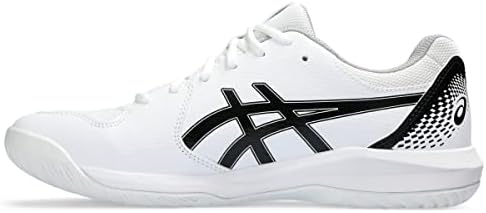
The ASICS Gel-Dedicate 8 is the most clearly court-focused choice in this group. Its listed features include GEL cushioning for shock absorption, TRUSSTIC technology for stability, and a wrap-up outsole. Synthetic leather toe overlays add structure in the forefoot.
For a player with metatarsalgia, cushioning and a stable platform may be useful considerations, but they do not ensure that pressure on the ball of the foot will be reduced. The supplied details do not list a wide toe box or a removable insole, so this model may be a less comfortable match if you need extra forefoot room or want to use a custom orthotic.
The shoe is noted as running small, making careful sizing especially important. Compared with the walking-oriented options here, the Gel-Dedicate 8 is a more sensible starting point for regular tennis because its construction includes court-stability features. If your main need is a wide fit, the FitVille may be a better option to compare.
Pros:
- Designed as a tennis shoe, with stability features listed
- GEL technology is intended to absorb shock
- Synthetic leather toe overlays add structure
Cons:
- Runs small, according to the supplied product details
- No wide-fit design or removable insole is specified
Verdict: Consider the Gel-Dedicate 8 if court stability matters most and its fit works for your foot, but look elsewhere if you need a clearly roomy forefoot.
QAUPPE Wide Walking Sneakers for a Roomier Toe Box

QAUPPE’s wide walking sneaker pairs a roomy toe box with an arch-support insole. Its product details describe a shock-absorbing midsole, breathable mesh upper, and flexible outsole with traction. The roomy front is intended to give toes more space to move rather than squeeze them together.
That combination may be worth considering if you want a casual shoe for walking or standing and need more room across the forefoot. The cushioning is described as reducing walking impact, but the product information emphasizes everyday outings and light outdoor activity rather than tennis. It does not specify the torsional support or court-focused construction found in the FitVille and ASICS models.
The listing is marked unavailable in the supplied product information, so check its current status before relying on it as an option. If it becomes available, compare its fit and support with your needs; a walking shoe may not provide the secure feel you want for lateral court movement.
Pros:
- Wide toe box designed to allow more toe movement
- Arch-support insole and shock-absorbing midsole
- Breathable mesh upper and traction-focused outsole
- Versatile for walking and casual daily use
Cons:
- Product details focus on walking, not tennis play
- Listing availability may vary
Verdict: This is a possible walking choice if you want a wide fit and arch support, but it is not the best match for frequent court play.
FitVille Extra Wide Shoes for Tennis and Other Racquet Sports

The FitVille is the strongest all-around match in this list for a player who needs both court-oriented construction and extra width. It is described for tennis, pickleball, and other racquet sports. Its roomy toe box is intended to give the forefoot more flexibility, while a dual-density EVA midsole is designed to cushion impact.
For court movement, the product description also calls out a torsion-resistant TPU feature and a non-slip outsole. Those details make it more purpose-built for lateral movement than the walking-focused orthopedic sneakers in this selection. Its breathable upper and ergonomic insole round out the comfort features.
Extra width can help if a standard court shoe feels tight across your toes, but it does not automatically mean the shoe will relieve metatarsalgia. The fit still needs to hold your foot securely without pressing on the painful area. Compared with the ASICS, FitVille puts more emphasis on a roomy fit; the ASICS listing provides clearer specific cushioning and stability technologies.
Pros:
- Designed for tennis, pickleball, and racquet sports
- Extra-wide design with a roomy toe box
- EVA cushioning and torsion-resistant outsole features
- Breathable upper and non-slip traction design
Cons:
- Wide sizing may not suit narrower feet
- Product details do not specify a removable insole for custom orthotics
Verdict: Start with the FitVille if you want a racquet-sport shoe with extra forefoot room and court-focused stability features.
GyeBea Arch-Support Shoes for Walking and Removable Insoles

GyeBea’s shoe is presented as a wide walking sneaker with removable orthotic insoles. The product description lists a deep heel cradle, arch support, and a cushioned midsole, along with a breathable mesh upper and a seamless interior. The removable footbed may be useful if you need to compare the supplied insole with an orthotic recommended for you.
The wide construction is intended to leave more room for toes, bunions, or swelling, while the midsole is designed to absorb impact during walking and standing. These traits may make the shoe a reasonable candidate for daily wear. However, it is described mainly for walking, travel, and light exercise—not as a dedicated court shoe with tennis-specific support.
The listing is marked unavailable in the supplied product information, so availability may need to be checked. If it is available, consider whether the arch shape and removable insole suit your foot; more arch support is not automatically better for every person with forefoot pain.
Pros:
- Removable orthotic insoles allow for insole changes
- Wide construction and a roomy toe area
- Arch support and a deep heel cradle are specified
- Breathable upper and cushioned midsole for daily use
Cons:
- Designed mainly for walking rather than tennis
- Listing availability may vary
Verdict: Consider GyeBea for supportive walking if you value a removable insole, but choose a court-specific option for regular tennis.
How to Choose Men’s Tennis Shoes for Metatarsalgia
Look for enough room across the forefoot
A tight toe box can add pressure around the ball of the foot and toes. Check that your forefoot has room to spread without the shoe feeling loose elsewhere. A wide label can be helpful, but shape matters too: pay attention to how the shoe fits at its widest point and whether the upper presses on tender areas.
Balance cushioning with a stable court feel
Cushioning can soften the feel of repeated impact, but a tennis shoe also needs to feel secure when you stop, start, and move sideways. Consider both the midsole cushioning and the shoe’s stability features. Walking shoes may feel comfortable in a straight line yet lack the court-focused support you want during fast lateral movements.
Check the fit with your usual socks and orthotics
Try shoes with the socks you plan to wear on court. If you use a prescribed or preferred orthotic, check whether the shoe has a removable insole and enough interior depth to accommodate it. A shoe that fits well with its original footbed may feel too tight after an orthotic is added.
Pay attention to heel hold and secure lacing
Your heel should feel held in place without rubbing, and the shoe should not slide around when you change direction. Slip-on features can be convenient for casual wear, but a secure heel and adjustable laces are more important for tennis. Avoid sizing up so much that your foot moves inside the shoe.
Match the shoe to your court and activity
Choose a model described for tennis or racquet sports if you plan to play regularly. A walking shoe may be a better fit for errands or long periods on your feet, but it may not be designed for court traction and side-to-side movement. If you play on a specific court surface, check that the outsole is appropriate for it.
Use comfort as a fit check, not a medical promise
Terms such as “orthopedic,” “arch support,” or “shock absorbing” do not prove that a shoe will treat metatarsalgia. Your pain may respond differently to cushioning, arch shape, width, or stiffness. If a shoe increases pain, causes numbness, or creates pressure points, stop wearing it and seek professional advice.
Frequently Asked Questions
What type of tennis shoe may help with metatarsalgia?
Look for a comfortable forefoot fit, cushioning that suits your preference, and enough stability for court movement. The right choice depends on your foot shape and the cause of your pain, so no single feature can guarantee relief.
Are wide tennis shoes better for metatarsalgia?
They may help if a narrow shoe squeezes your forefoot, but width alone is not enough. The shoe should also hold your heel securely and avoid rubbing or sliding during movement.
Can I use a walking shoe to play tennis?
A walking shoe may work for casual use, but it is not necessarily designed for the side-to-side movement of tennis. For regular play, a court-focused shoe such as the FitVille or ASICS option is a more suitable place to start.
Should I choose extra cushioning or a firmer shoe?
There is no universal answer. Cushioning may soften impact, while a stable platform can help the shoe feel controlled during movement. Try to find a balance that feels comfortable and secure for your foot.
Can I add my own orthotic to these shoes?
It depends on the shoe’s insole and interior space. The GyeBea product description specifically says its insoles are removable. The supplied details do not confirm removable insoles for every other model, so check the product information before ordering.
Do any of these shoes guarantee relief from metatarsalgia?
No. Product features such as a wide toe box or cushioning may suit some people, but they do not guarantee pain relief. A health professional can help you assess persistent or worsening symptoms and discuss footwear or other options.
Final Recommendation
For tennis players seeking a wider fit, the FitVille Extra Wide is the most balanced choice in this group because it combines a roomy toe box with features described for racquet sports. The ASICS Gel-Dedicate 8 is another court-focused option if its smaller-running fit works for you. For walking rather than tennis, consider the OrthoComfoot, QAUPPE, or GyeBea based on the width, insole, and support features you need. Check current product availability and fit details before buying, and consult a foot-care professional if your pain continues.