
Disclosure: As an Amazon Associate I earn from qualifying purchases. Learn more
Finding the best tennis shoes for orthotics starts with matching the shoe to your insert, foot shape, and activity. The options below are mostly supportive walking or athletic sneakers rather than court-specific tennis shoes, so consider how much lateral movement and court traction you need. If you use custom orthotics, check whether the shoe’s footbed can be removed and whether there is enough room for your insert before buying.
Quick Comparison
| Product | Fit and support | Standout feature | Best suited for |
|---|---|---|---|
| BiNHam Women’s Wide Arch Support Walking Shoes | Wide fit with arch support | Cushioned design and breathable mesh | Walking and everyday wear; listing availability may be limited |
| AOV Women’s Arch Support Walking Shoes | Wide fit with orthotic-friendly insoles and detachable pads | Customizable arch support | Long days on your feet |
| Autper Women’s Arch Support Walking Shoes | Arch support with adjustable pads | High-rebound EVA midsole | Walking, workouts, and daily use; listing availability may be limited |
| AOV Women’s Wide Arch Support Walking Shoes | Wide toe box with built-in support and detachable pads | Room for toes to spread | Wide feet and extended standing |
| OrthoComfoot Men’s Orthopedic Tennis Sport Walking Shoes | High arch support | Cushioned midsole and textured outsole | Men seeking support for walking and general athletic use |
Our Picks: Best Tennis Shoes for Orthotics reviews
1. BiNHam Women’s Wide Shoes for Roomy Everyday Comfort

BiNHam’s women’s sneaker is designed around a wide fit, arch support, and cushioning. Its breathable mesh upper is intended to help release heat, while the cushioned construction absorbs some of the impact from walking and other everyday activity.
The roomy shape may suit you if standard-width shoes press on your toes or feel tight across your foot. The product description also lists standing, travel, gym use, and walking among its intended activities. However, it does not specify a removable footbed, so do not assume a full-length custom orthotic will fit. Check the shoe’s interior and return terms before relying on it for your prescribed insert.
This is a walking-focused option, not a clearly specified court shoe. Its wide shape and cushioning could be useful for casual wear, but the product details do not establish the lateral support or court-specific traction you may want for tennis. The listing status provided for this product indicates it may be unavailable; check the product page for current availability.
Pros:
- Wide design offers extra room for toes.
- Built-in arch support is part of the design.
- Cushioning is intended to absorb impact during everyday activity.
- Breathable mesh upper is suited to regular wear.
Cons:
- The product details do not confirm that the footbed is removable for a custom orthotic.
- Not described as a court-specific tennis shoe, and listing availability may be limited.
Verdict: Choose the BiNHam if you want a wide, cushioned walking sneaker with built-in arch support, but verify both orthotic fit and availability before ordering.
2. AOV Women’s Wide Sneakers with Adjustable Arch Pads

This AOV model combines a wide fit with orthotic-friendly insoles and detachable pads. The pads are described as adjustable, which gives you some ability to change where the shoe supports your arch. The design also includes a cushioned midsole, a moisture-wicking mesh upper, and a rubber outsole described as slip-resistant.
The adjustable support is a useful distinction if fixed arch contours tend to land in the wrong place on your foot. Still, a detachable pad is not the same as a removable full-length footbed. If you use a custom orthotic, confirm that it can sit securely in the shoe without making the fit too tight.
The wide shape and cushioning make this a practical choice to consider for walking, work, or long periods of standing. The product description also mentions gym use, but does not provide details about court-specific stability. For tennis, make sure the shoe feels secure during side-to-side movement rather than relying on the “tennis” wording in the product title alone.
Pros:
- Wide design gives toes more room.
- Detachable arch pads allow some adjustment to support placement.
- Mesh upper and cushioned midsole are aimed at all-day comfort.
- Rubber outsole is described as slip-resistant.
Cons:
- Product details do not confirm a fully removable insole for custom orthotics.
- Court-specific lateral support is not established in the description.
Verdict: The AOV is a strong option to consider if you need a wide everyday sneaker and want adjustable arch pads, provided your orthotic fits comfortably inside.
3. Autper Women’s Sneakers with High-Rebound Cushioning
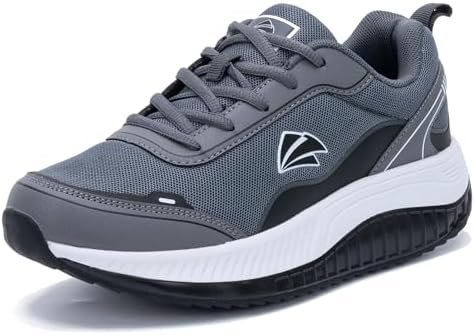
Autper’s walking sneaker features ergonomic arch support insoles with adjustable arch pads. Its high-rebound EVA midsole and soft foam insole are designed to cushion impact, while a lightweight mesh upper is intended to help move heat and moisture away from the foot. The outsole is described as non-slip, with textured rubber tread.
The adjustable pads may appeal if you want to change the feel of the arch area. The cushioning and breathable upper also suit walking, gym sessions, and long shifts on your feet. As with the other models with pads, the supplied description does not confirm that the entire footbed comes out for a custom orthotic.
Compared with the two AOV options, this shoe emphasizes its EVA midsole and general athletic use rather than a wide toe box. The product details do not specify a wide fit, so it may be less suitable if you need extra room across the forefoot. The supplied listing status indicates it may be unavailable; check the product page for current availability.
Pros:
- Adjustable arch pads offer a way to personalize support.
- High-rebound EVA midsole is designed to cushion impact.
- Lightweight mesh upper is intended to promote airflow.
- Textured rubber outsole is described as non-slip.
Cons:
- A wide fit and fully removable footbed are not confirmed in the supplied details.
- Listing availability may be limited, and court-specific features are not described.
Verdict: Consider the Autper if adjustable arch support and cushioning matter most, but look elsewhere if you need a clearly wide design or confirmed space for a full-length orthotic.
4. AOV Women’s Wide-Toe-Box Shoes for Extended Standing

This AOV sneaker pairs a wide, flexible toe box with built-in arch support and detachable green pads. The roomy forefoot is intended to let toes spread, while the pads can be positioned for more targeted support. Its cushioned construction and slip-resistant rubber outsole are designed for walking, standing, and daily errands.
Of the women’s options here, this model is one of the clearest choices for shoppers who prioritize width. The product description specifically calls out room for wider feet and mentions bunions and hammertoes as concerns the toe box is intended to accommodate. The arch pads add flexibility, but the details do not say that the full footbed is removable, so check compatibility with your own orthotic.
This shoe is positioned for everyday use rather than competitive tennis. Its outsole is described as slip-resistant, but the product information does not give details about court grip or side-to-side stability. Compared with the first AOV option, this model puts greater emphasis on the wide toe box and flexible fit.
Pros:
- Wide toe box is designed to reduce crowding.
- Detachable pads can be positioned for targeted arch support.
- Cushioning is intended for extended walking and standing.
- Slip-resistant rubber outsole is designed to provide traction.
Cons:
- The description does not confirm a removable full-length footbed.
- Not specified as a tennis-court shoe.
Verdict: Pick this AOV model if a wide toe box is your main priority and you want built-in support with adjustable pads for everyday wear.
5. OrthoComfoot Men’s High-Arch Athletic Walking Shoes

This men’s athletic shoe is built around high arch support, a cushioned midsole, and a breathable mesh upper. Its textured rubber outsole is described as suitable for surfaces including pavement and tennis courts. The product is also presented for walking, running, and everyday use.
Unlike the women’s models with detachable arch pads, this shoe emphasizes built-in high arch support. That may suit you if you want a supportive shape without adjusting pads, but it is less flexible if you need to fine-tune where the arch contacts your foot. The supplied details do not state whether the footbed can be removed, so confirm that before trying to pair it with a custom orthotic.
The outsole’s mention of tennis courts makes this model more directly relevant to court use than the other picks, but the product description does not explain its lateral support or court-specific construction. If you play tennis regularly, check that the shoe feels stable during quick side steps and that your orthotic stays in place.
Pros:
- Built-in high arch support is a central feature.
- Cushioned midsole is designed to absorb impact.
- Breathable mesh upper is intended to help keep feet cool.
- Textured rubber outsole is described for use on tennis courts and other surfaces.
Cons:
- Removable footbed compatibility is not confirmed.
- Fixed high arch support may not suit every foot or orthotic.
Verdict: This is the most court-oriented option in the group based on its product description, but verify its fit with your orthotic and test its side-to-side stability before committing to regular tennis.
How to Choose Tennis Shoes for Orthotics
Check whether the footbed can be removed
If you use a custom orthotic, first find out whether the shoe’s stock footbed comes out and whether your insert can lie flat in its place. Some shoes in this guide describe detachable arch pads, but that does not necessarily mean the entire insole is removable. A poor fit can make the shoe feel cramped or cause the insert to shift.
Match the shoe’s shape to your foot
Pay attention to width, toe-box shape, and overall volume. A wide toe box can help if your toes feel crowded, while a shoe that is too roomy may let your foot slide. Look for a secure heel and midfoot fit without pressure across the toes, and use the brand’s size chart when available.
Choose arch support that works with your insert
Built-in support and adjustable pads can feel different from a custom orthotic. If your insert already has a strong arch shape, extra built-in support may feel excessive. If possible, try the shoe with your orthotic in place and check that the arch lands comfortably under your foot rather than pressing in the wrong spot.
Look for cushioning that fits your activity
Cushioning can make walking and long periods of standing more comfortable, but a soft feel alone does not guarantee a stable fit. Consider how the shoe feels when you walk, turn, and change direction. For tennis, you may need more secure support for lateral movement than a general walking sneaker provides.
Consider traction and court stability
A rubber outsole may offer grip, but not every walking shoe is designed for the demands of a tennis court. Check the product details for court suitability, then pay attention to how securely the shoe holds your foot during side steps. If you play often, a court-specific shoe that fits your orthotic may be a better choice than a walking model.
Review return options and fit at home
Fit can change once an orthotic is inside the shoe. Check the seller’s return terms before ordering, then try the pair indoors with your usual socks and insert. Make sure your toes have room, your heel feels secure, and the shoe does not create new pressure points.
Frequently Asked Questions
Can I put custom orthotics in any tennis shoe?
No. A shoe needs enough room for the insert, and its footbed may need to be removable. Even when an orthotic fits inside, the shoe should hold your foot securely without pinching or causing the insert to move.
Are these all court-specific tennis shoes?
No. Most are described primarily as walking or everyday athletic sneakers. The OrthoComfoot product description specifically mentions tennis courts, but it does not provide detailed information about lateral support. Check the shoe’s fit and stability for your style of play.
What is the difference between detachable arch pads and a removable insole?
Detachable arch pads let you adjust support in a specific area. A removable insole is a full footbed that can be taken out, which may make room for a custom orthotic. One feature does not guarantee the other.
Should I choose a wide shoe if I wear orthotics?
Only if your foot or insert needs the extra space. A wide fit can help prevent crowding, but the shoe should still hold your heel and midfoot securely. Try it with your orthotic to judge the fit.
Is built-in arch support always helpful?
Not necessarily. The support may feel comfortable for some feet, while others may need a different arch shape or a custom insert. Make sure the shoe’s support works with your orthotic rather than pressing against it.
Which option is best for wide feet?
The BiNHam and both AOV women’s models are described as wide-fit options. The AOV model with the wide toe box places particular emphasis on allowing more room for toes. Check sizing and fit carefully, especially if you plan to add an orthotic.
Final Recommendation
For a wide everyday sneaker with adjustable arch support, the AOV women’s models are the most clearly described choices; choose the wide-toe-box version if extra forefoot room matters most. The OrthoComfoot is worth considering if you want a men’s option whose description mentions tennis-court use. Before choosing any pair, confirm that your orthotic fits and that the shoe feels stable for your intended activity.