
Disclosure: As an Amazon Associate I earn from qualifying purchases. Learn more
Choosing the best tennis strings for hot weather is less about finding a string made only for heat and more about building a setup that still feels predictable when conditions make play feel lively. A multifilament can add a more forgiving response, while a monofilament or polyester option may suit players who want control and durability. These five picks cover both styles, from a single-racquet set to a full reel.
| String | Construction | Best suited to | Package |
|---|---|---|---|
| HEAD Velocity MLT 17 Gauge | Multifilament | Players seeking a lively response and spin potential | 40-foot set |
| HEAD Lynx 17G | Monofilament | Control-focused club players | 40-foot set |
| Solinco Outlast 17g | Co-polyester | Players who value durability and control | 40-foot set; multipacks offered |
| Yonex PolyTour Rev 125 | Octagonal polyester monofilament | Baseliners seeking spin and control | 660-foot reel |
| Volkl Power Fiber Pro | Multifilament | Players wanting a more forgiving feel with added durability | 40-foot set; reel option described |
Our Picks: Best Tennis Strings for Hot Weather reviews
HEAD Velocity MLT: A lively multifilament with spin-friendly movement

HEAD Velocity MLT is a 17-gauge multifilament string supplied as a 40-foot set for one racquet. Its multifilament core and surrounding filaments are designed to create a lively response and transfer energy to the ball. That can appeal to players who want some extra pop without choosing a full monofilament setup.
A low-friction coating helps the strings move and return into position after shots, which is intended to support consistent response and spin potential. In warm conditions, when your setup may already feel lively, this string’s more energetic character is worth considering alongside your racquet and tension choice.
It is a sensible option for intermediate and advanced players who want a balance of response and string movement. Compared with the polyester choices here, it may be a better fit if you prefer a multifilament feel. Its main tradeoff is that a lively string may not be the first choice for someone looking to make an already powerful setup feel more controlled.
Pros:
- Multifilament construction with a lively feel
- Low-friction coating supports string movement and snapback
- 17 gauge offers a balance of playability and response
- 40-foot set is sized for one racquet
Cons:
- May feel too lively for players who want a more muted response
- Not a full reel for frequent restringing
Verdict: Choose HEAD Velocity MLT if you want a lively multifilament with spin potential and do not want to default to a firmer polyester setup.
HEAD Lynx: A control-oriented monofilament for steady shot placement

HEAD Lynx is a 17-gauge monofilament string in a 40-foot set. Its single-tube construction and smooth, round profile are designed for a consistent response and directional control. The product is aimed at club-level players with moderate swing speeds who want help placing shots with confidence.
The round shape is also described as less abrasive than shaped strings, making Lynx a practical option for a hybrid setup. That gives you room to pair it with another string if you want to adjust the feel of your racquet rather than use one material throughout.
Compared with the more spin-focused Yonex option, Lynx takes a more straightforward control-and-consistency approach. The product information also emphasizes tension maintenance and durability. Still, a monofilament may not suit players who prioritize the more forgiving feel often associated with multifilament strings.
Pros:
- Control-oriented design for accurate shot placement
- Smooth, round profile supports a consistent response
- Suitable for hybrid string setups
- 40-foot set is intended for one racquet
Cons:
- May be less appealing if you prefer a multifilament feel
- Does not have the shaped profile of a spin-focused string
Verdict: Consider HEAD Lynx if you want a straightforward monofilament for control and a smooth profile that can work in a hybrid setup.
Solinco Outlast: A durable co-poly option for control-minded players

Solinco Outlast is a 17-gauge co-polyester string supplied in a 40-foot set, with multipack options described. It is designed as a durable, control-focused choice for all-court play. Its responsive touch is intended to remain part of the experience while the string provides a firmer, more controlled alternative to multifilament.
The product description highlights tension maintenance as a strength for a co-poly string. That may be useful if you want a setup that stays more consistent over time, though string feel and tension change can still depend on your racquet, playing habits, and stringing setup.
Outlast is a good match for players who break strings often or want a durable option for regular play. In comparison with HEAD Velocity MLT and Volkl Power Fiber Pro, it puts more emphasis on durability and control than a multifilament feel. Players who dislike firmer string beds should consider that tradeoff before choosing it.
Pros:
- Co-poly construction designed for durability
- Control-focused, all-court design
- Product description emphasizes tension maintenance
- Multipack options can suit players who restring often
Cons:
- May not suit players who prefer a more forgiving multifilament
- Its control-focused character may not add the lively feel some players want
Verdict: Pick Solinco Outlast if durability and control matter more to you than a softer-feeling multifilament response.
Yonex PolyTour Rev 125: An octagonal reel for spin-focused baseliners

Yonex PolyTour Rev 125 is a 16L-gauge polyester monofilament with an octagonal profile. The 660-foot reel is a practical format if you string racquets regularly or want string on hand for several restringing sessions. Its shaped design is intended to grip the ball and support spin for baseliners with medium-to-fast swing speeds.
The string uses Silicone Oil Infused Filament technology, which is described as reducing friction between strings and supporting snapback. That combination is intended to provide spin and control while maintaining a smooth, responsive feel.
This is the most specialized option in the group: it prioritizes spin and is offered as a reel rather than a single 40-foot set. Compared with the round HEAD Lynx, its octagonal shape is aimed more directly at players who want ball bite. A shaped polyester may be less suitable if you are looking for the more forgiving feel of a multifilament or only need enough string for one racquet.
Pros:
- Octagonal profile designed for spin potential
- Silicone-infused technology supports string movement and snapback
- 16L gauge and 660-foot reel suit frequent restringing
- Designed for baseliners with medium-to-fast swings
Cons:
- Reel format may be excessive if you only string one racquet once
- Spin-focused polyester may not fit players seeking a softer multifilament feel
Verdict: Choose Yonex PolyTour Rev 125 if you play with a medium-to-fast swing, want a shaped string for spin, and can make use of a full reel.
Volkl Power Fiber Pro: A multifilament with a focus on feel and durability
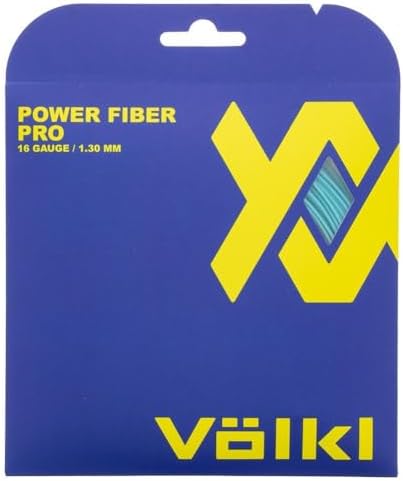
Volkl Power Fiber Pro is a multifilament string designed to combine a gut-like performance profile with added durability from its coating. The product description also points to a low-friction coating and construction intended to support playability and tension maintenance. A 40-foot set is enough to string one racquet; a reel option is also described.
This could suit you if you like the feel of multifilament but want a more durable option than a basic setup. Its stated balance of feel and control makes it a useful contrast to the more control-focused co-poly and shaped polyester strings in this guide.
Power Fiber Pro may be worth considering for warm-weather play if you want a string that is not focused solely on firm control. However, it is not described as a heat-specific string, and its multifilament construction may not be the best fit for players who prioritize the durability or spin-oriented design of a polyester option.
Pros:
- Multifilament construction with a gut-like performance profile
- Coating is designed to improve durability
- Low-friction design supports playability and tension maintenance
- Available as a set, with a reel option described
Cons:
- May not offer the same spin-focused design as a shaped polyester
- Not specifically designed for hot-weather use
Verdict: Consider Volkl Power Fiber Pro if you want a multifilament that balances feel and control with a durability-minded coating.
How to Choose Tennis Strings for Hot Weather
Start with the feel you want in warm conditions
Warm playing conditions can make a racquet setup feel more lively, but the effect varies with the player, racquet, ball, string, and tension. If your shots already tend to fly long, a control-focused monofilament or co-poly may be a better starting point than a lively multifilament. If comfort and a more forgiving response matter more, consider a multifilament such as HEAD Velocity MLT or Volkl Power Fiber Pro.
Match string construction to your playing style
Multifilament strings are often chosen for their more forgiving feel, while monofilament and polyester options tend to attract players seeking control, durability, or spin. The products here are not interchangeable: HEAD Lynx emphasizes control, Solinco Outlast emphasizes durability and all-court playability, and Yonex PolyTour Rev 125 has a shaped profile intended for spin. Choose based on what you want your racquet to do, not just the temperature.
Think about gauge and string profile
Gauge affects the string’s thickness, while profile describes its shape. This selection includes 17-gauge strings, a 16L polyester, and an octagonal profile designed to help grab the ball. A shaped string may appeal if you want spin, while a round profile offers a simpler, even response. If you are unsure, ask your stringer which gauge and profile suit your racquet and swing.
Adjust tension gradually rather than guessing
There is no one tension that works for every player in hot weather. If your racquet feels too powerful or too firm, make a small change at your next restring and keep track of how it plays. Stay within your racquet maker’s recommended tension range, and ask a qualified stringer for help if you are changing both string type and tension at once.
Choose a set or reel based on how often you restring
A 40-foot set is the straightforward choice if you need string for one racquet. A reel, such as the Yonex PolyTour Rev 125 option, makes more sense if you restring often or use the same string across several racquets. Check the package format before buying so you know whether you are getting a single set or a larger supply.
Consider a hybrid if you want a middle ground
A hybrid combines two types of string in one racquet, which can let you balance feel, control, and durability. HEAD Lynx is described as suitable for hybrid setups, and a smooth round string can be useful when pairing different materials. Ask your stringer about compatibility and tension, especially if you have not used a hybrid before.
Frequently Asked Questions
Are any tennis strings made specifically for hot weather?
The strings in this guide are not described as being made only for hot weather. The better approach is to choose a construction and tension that suit your game when conditions feel warm, then adjust gradually if your setup becomes too lively or too firm.
Which string here is best if I want more spin?
Yonex PolyTour Rev 125 is the clearest spin-focused choice in this group. Its octagonal polyester profile is designed to grip the ball, and the product description highlights string movement and snapback.
Which option should I consider if comfort matters most?
HEAD Velocity MLT and Volkl Power Fiber Pro are both multifilaments. Velocity MLT is described as lively, while Power Fiber Pro is presented as a gut-like option with a durability-minded coating. Your own response can vary, so consider your current setup and ask a stringer for guidance.
Is polyester a good choice for summer tennis?
It can be, especially if you want a control- or spin-focused setup, but hot weather alone is not a reason to choose polyester. Consider how firm your current racquet feels, how much durability you need, and whether a multifilament would better match your preferred feel.
Should I change my string tension when it gets hot?
Not automatically. If your shots start landing long or the racquet feels different, try a small adjustment at your next restring rather than making a large change. Keep within the racquet’s recommended range and discuss the change with your stringer.
How much string do I need for one racquet?
The 40-foot sets in this selection are described as enough for one racquet. Yonex PolyTour Rev 125 is offered as a 660-foot reel, which is better suited to players who string frequently or need multiple restringing sessions.
Can I use two different strings in one racquet?
Yes. That setup is called a hybrid, and it can combine different string characteristics. Check that the two strings suit your racquet and playing style, and ask a stringer to recommend a sensible tension for the pairing.
Final Recommendation
For a lively multifilament, start with HEAD Velocity MLT. If control is your priority, consider HEAD Lynx or the durability-focused Solinco Outlast. Spin-focused baseliners may prefer Yonex PolyTour Rev 125, while Volkl Power Fiber Pro is a strong candidate if you want a multifilament with a focus on feel and added durability. None is a universal hot-weather solution, so choose the string that matches your game and adjust tension carefully as conditions change.